Collection10 itemsDraft

Nature as pattern

Specimen plates, woodblocks and wallpaper: how close observation of plants and animals became ornament.
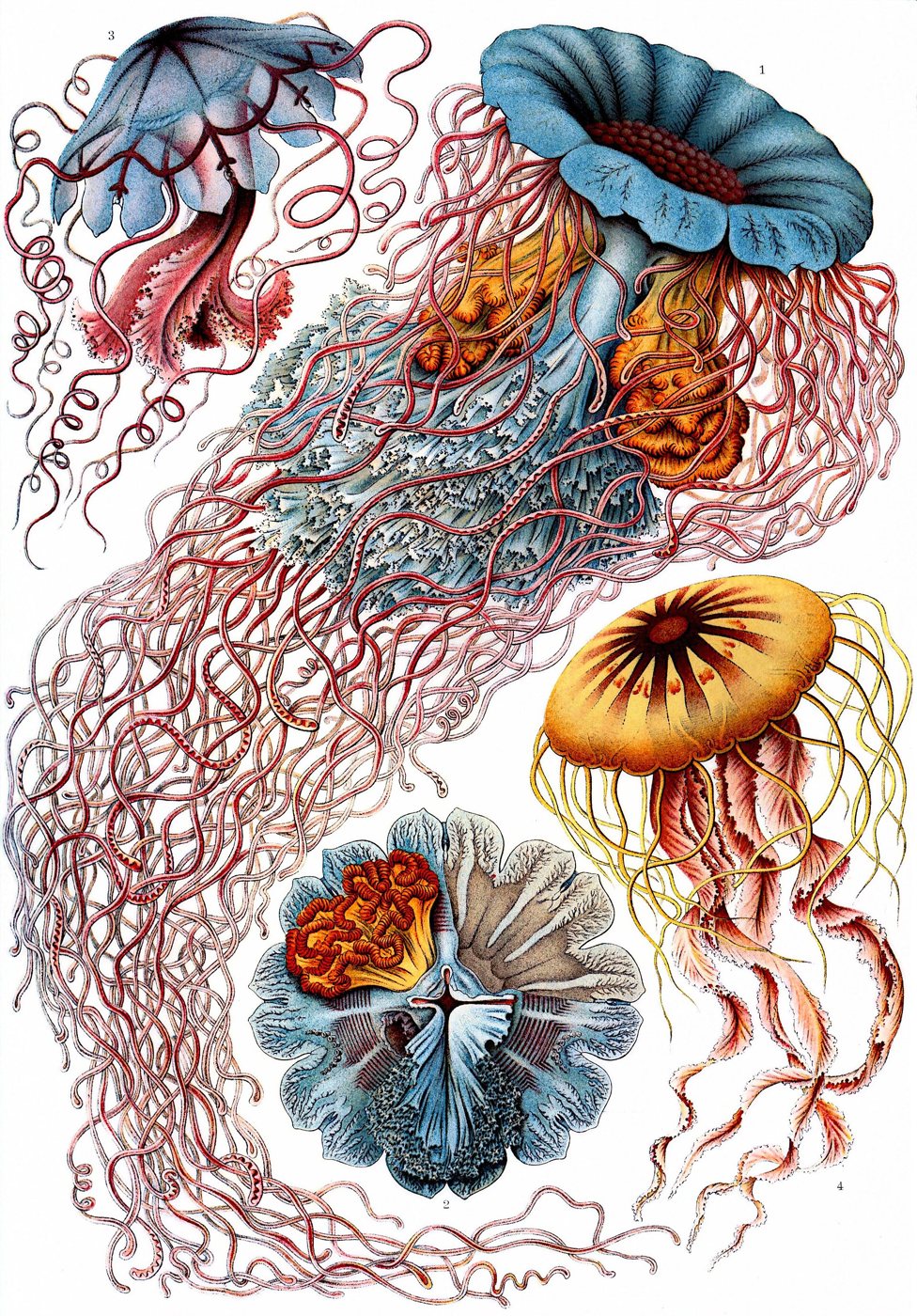
Discomedusae, plate 8, Kunstformen der Natur, Ernst Haeckel, 1904Public domain
Discomedusae, plate 8, Kunstformen der Natur, Ernst Haeckel, 1904Public domain · Wikimedia Commons (opens in new tab) ↗

Symmetry found, not invented

Ernst Haeckel's Kunstformen der Natur (1899–1904) presented jellyfish, radiolarians and corals as near-perfect ornaments. Architects and Art Nouveau designers mined its plates for decades.
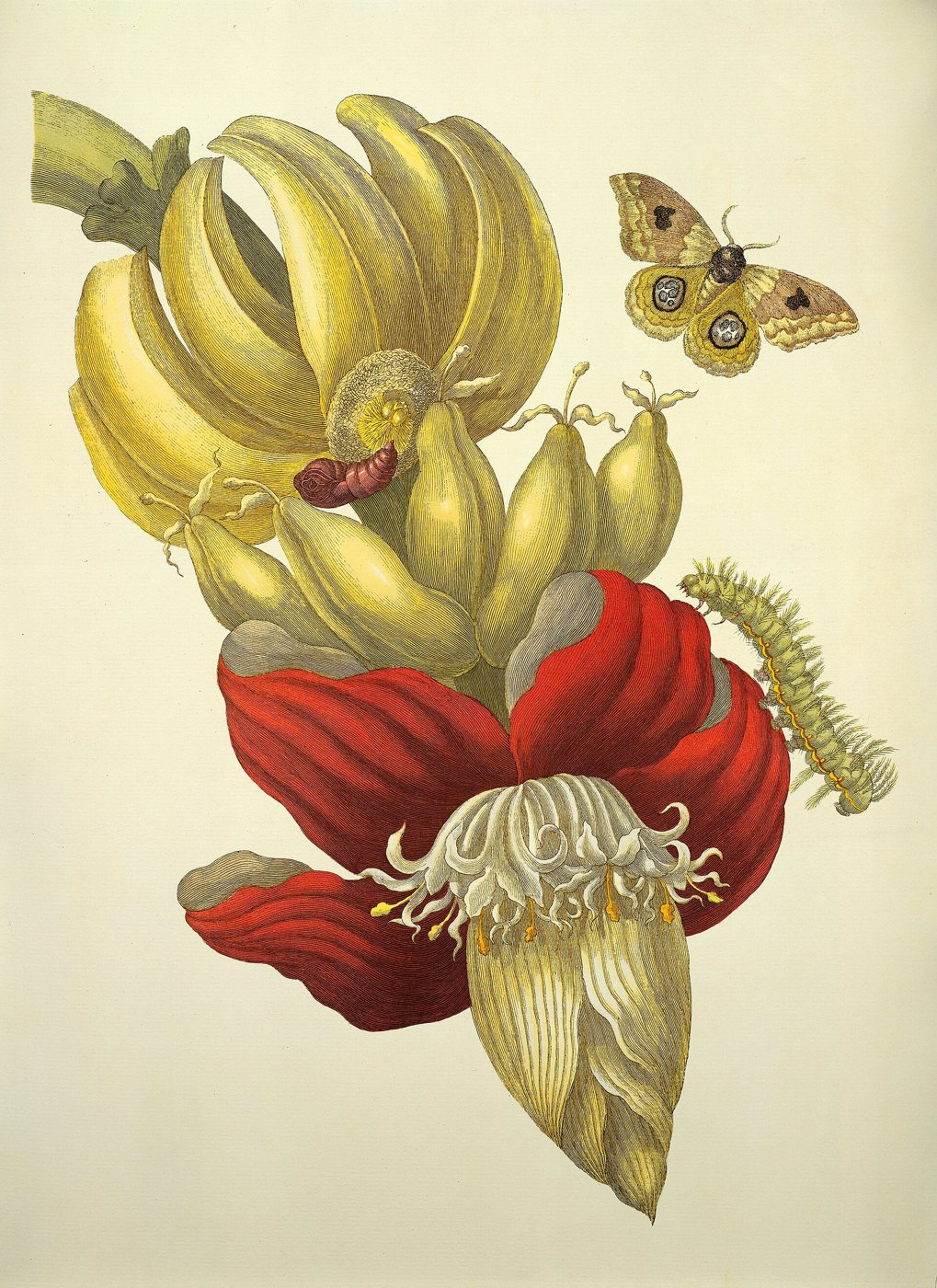
Banana Flower and Fruit, Metamorphosis insectorum Surinamensium, Maria Sibylla Merian, 1705Public domain
Banana Flower and Fruit, Metamorphosis insectorum Surinamensium, Maria Sibylla Merian, 1705Public domain · Wikimedia Commons (opens in new tab) ↗
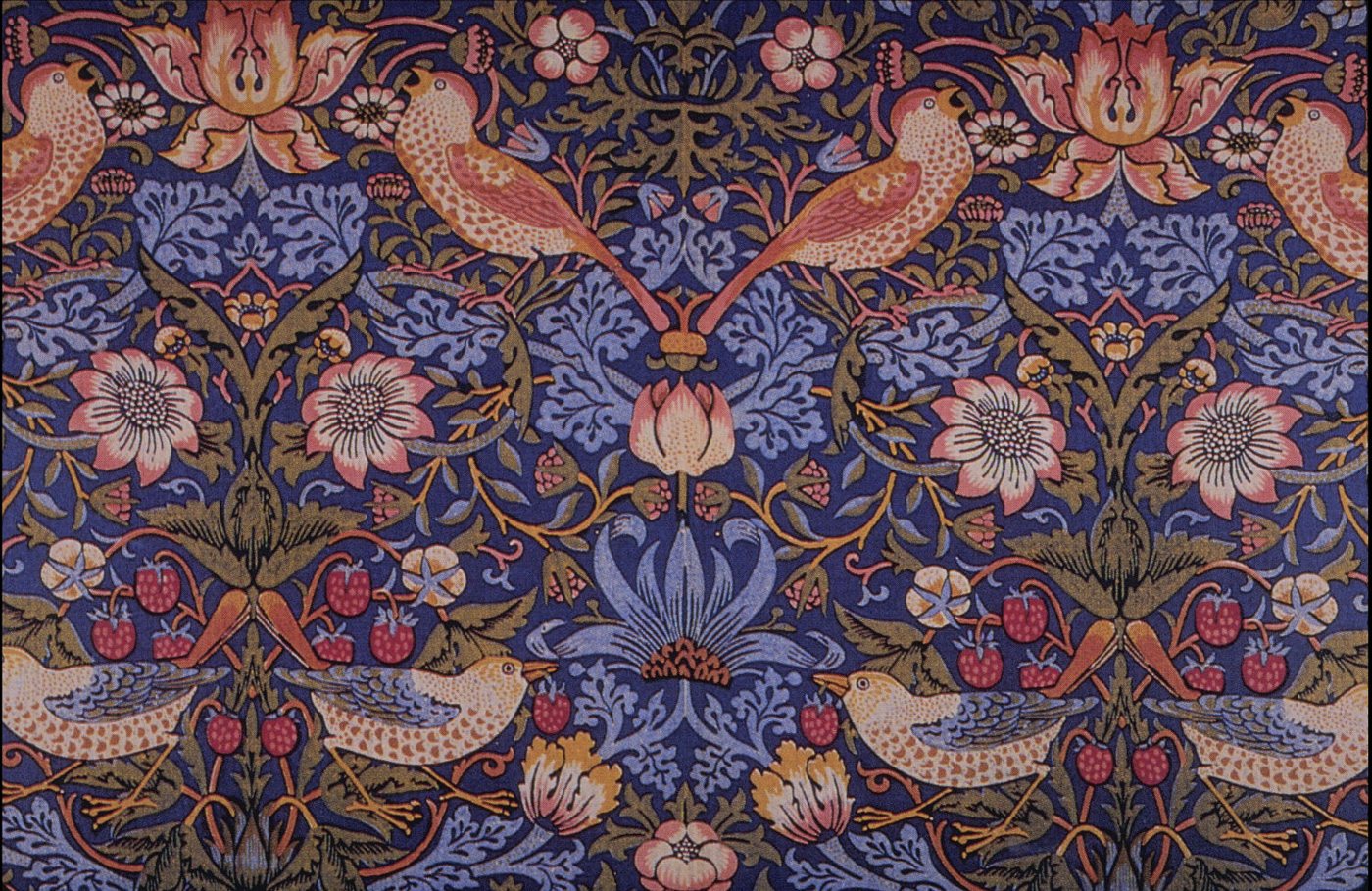
Strawberry Thief (textile), William Morris, 1883Public domain
Strawberry Thief (textile), William Morris, 1883Public domain · Wikimedia Commons (opens in new tab) ↗

The repeat

William Morris drew thrushes stealing strawberries in his kitchen garden, then built a repeat so dense the background almost disappears. It was printed by the slow indigo-discharge method, and it shows the Arts and Crafts belief that the process is part of the design.
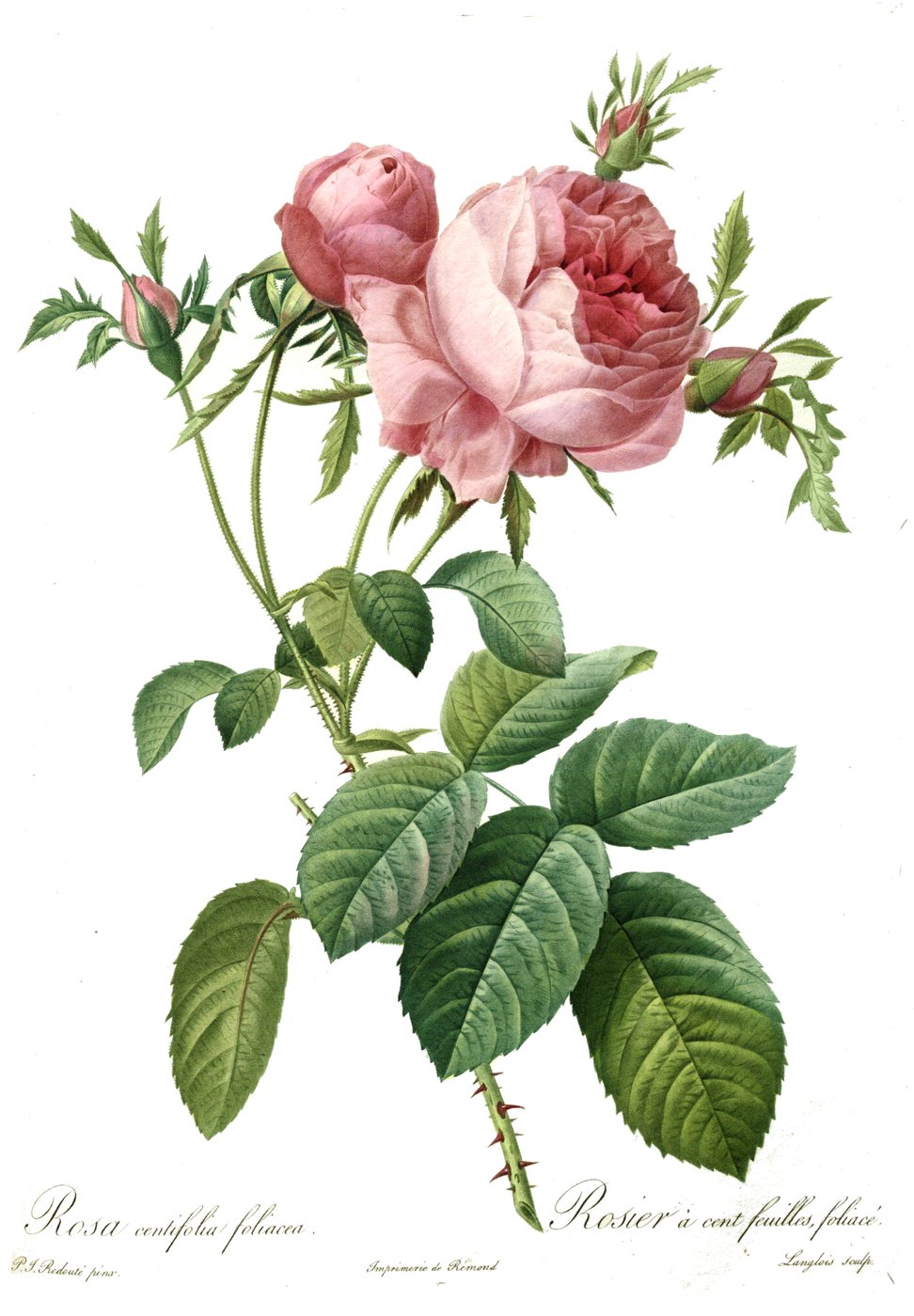
Rosa centifolia foliacea, Les Roses, Pierre-Joseph Redouté, 1824Public domain
Rosa centifolia foliacea, Les Roses, Pierre-Joseph Redouté, 1824Public domain · Wikimedia Commons (opens in new tab) ↗
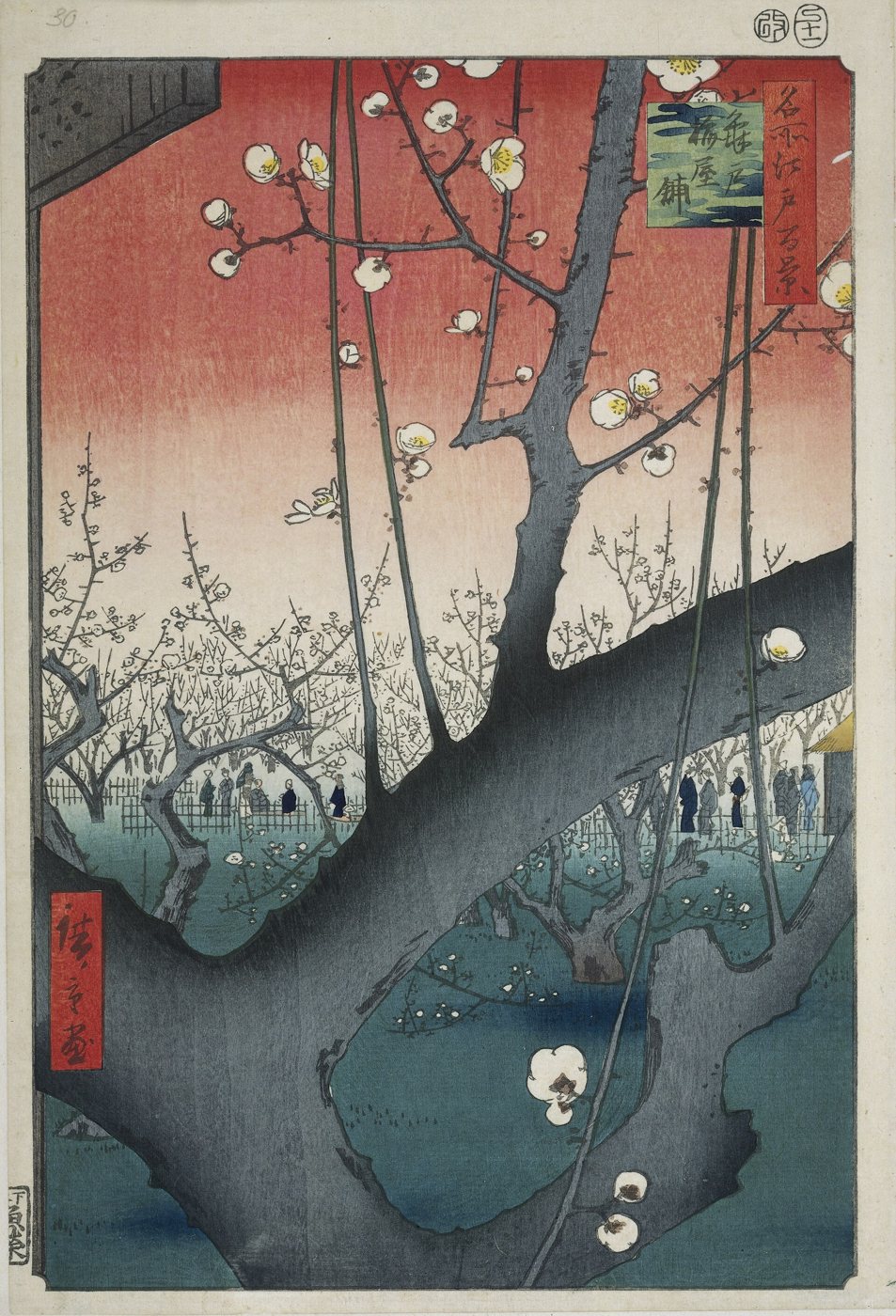
Plum Garden at Kameido, Utagawa Hiroshige, 1857Public domain
Plum Garden at Kameido, Utagawa Hiroshige, 1857Public domain · Wikimedia Commons (via Rijksmuseum) (opens in new tab) ↗

Try it

Open the Botanical & Scientific Illustration prompts and swap the subject for something from your own street: a weed, a pigeon feather, a seed head.

Images are public domain or CC0 with credits, or clearly labelled AI-generated examples. Everything else links to the source. Image policy

More collections

All →