Preview edition94 styles246 designers
Learn the names
of what you see.
A field guide to visual styles, from Ukiyo-e to Liquid Glass. Learn how to recognise each one, the words to describe it, the people and places behind it, and prompts for making your own work in it.
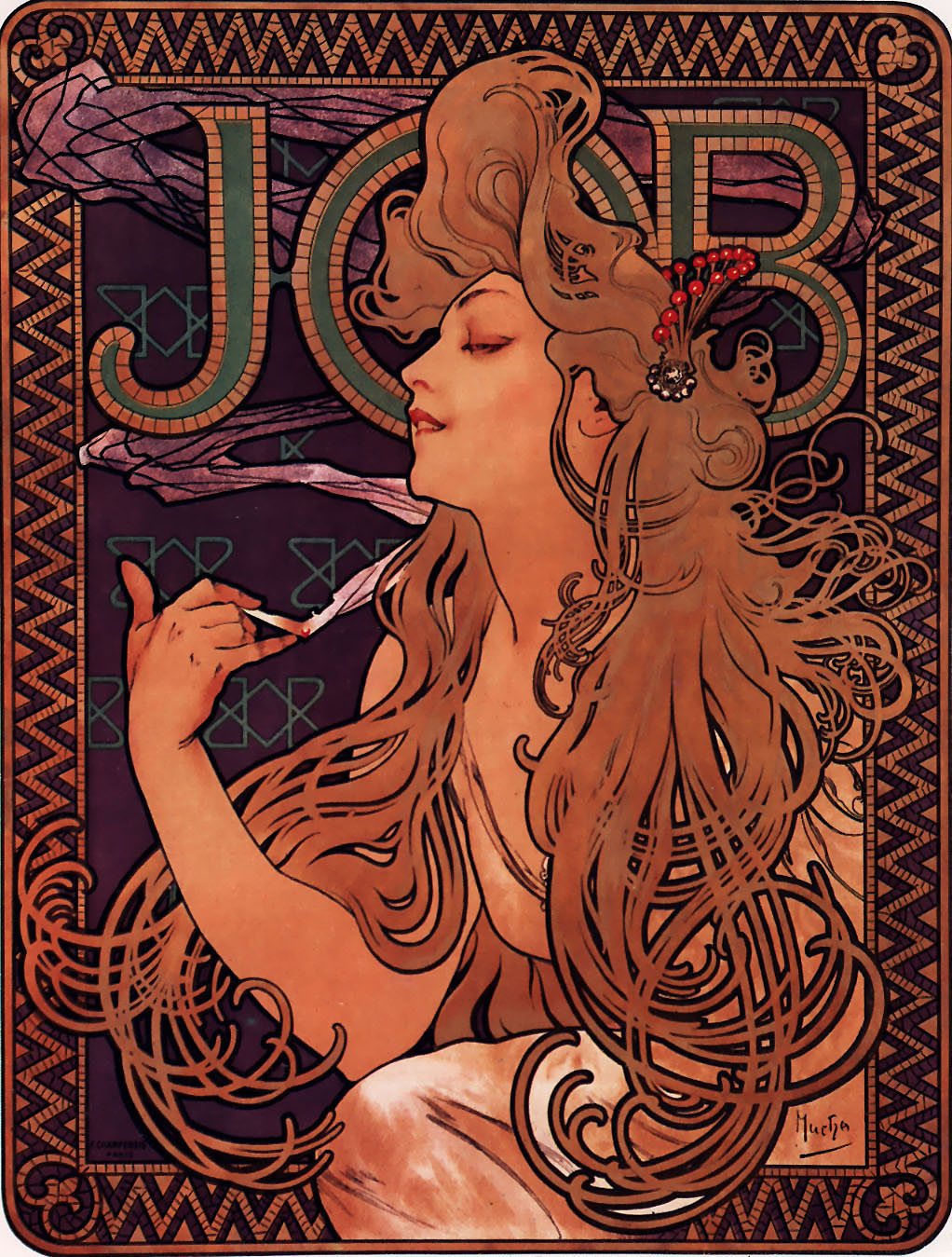
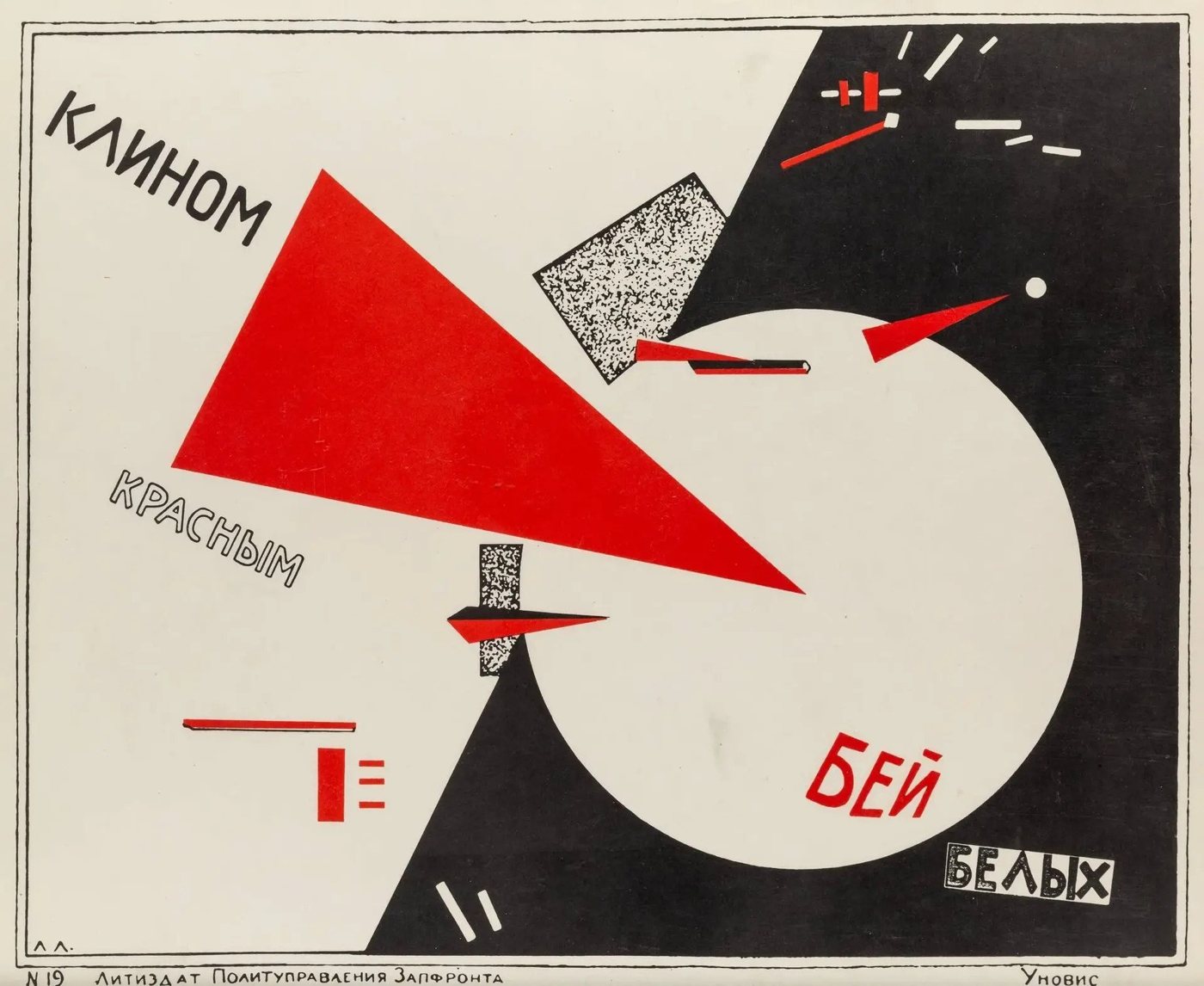
Eight ways in 8 categories
- 01Historical movementsOrnament, reform and the avant-garde, from the 1650s to 1945.Arts and Crafts, Ukiyo-e, Art Nouveau, Vienna Secession…15
- 02Mid-century & modernistGrids, systems and post-war optimism, 1945–1980.Swiss, Mid-century Modern, New York School, Corporate Modernism…15
- 03Postmodern & late 20th centuryRule-breaking, club culture and the millennium, 1975–2010.Memphis, New Wave Typography, Post-punk Graphic Minimalism, Punk & Zine…11
- 04Typography stylesWays of setting and drawing letters.Victorian Wood Type & Playbill, Neo-Swiss, Editorial Serif Revival, Monospace & Technical…8
- 05Web & UI trendsInterface languages from skeuomorphism to spatial computing.Skeuomorphism, Flat Design, Material Design, Neumorphism…16
- 06Illustration stylesWays of drawing, printing and making pictures.Corporate Memphis, Ligne Claire, Risograph Print, Isometric Illustration…13
- 07Graphic & aesthetic movementsContemporary aesthetics and cultural moods.Japanese Minimalism, Wabi-sabi, Maximalism & Dopamine Design, Acid Graphics…7
- 083D, motion & generativeRendered, animated and algorithmic work.Liquid Chrome, Low-poly & Early 3D, Clay & Stop-motion, Inflated & Puffy 3D…9
Featured style1950–1975
Swiss
Typographic Style
The grid-based, objective typography from Basel and Zurich. Sans-serif type, flush-left ragged-right text, mathematical grids and photography in place of illustration made it the default language of corporate and institutional design worldwide.
- 01modular grid
- 02flush-left ragged-right
- 03neo-grotesque sans-serif
- 04objective photography
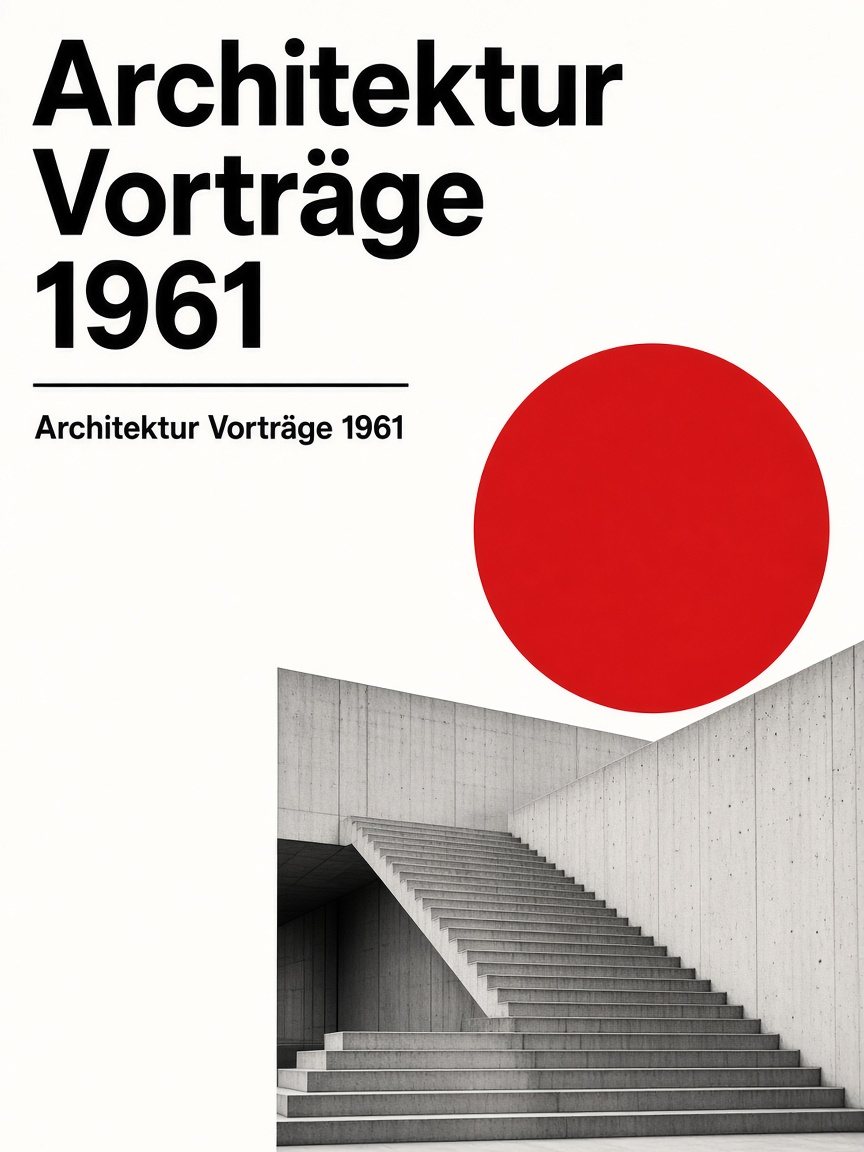 AI-generated example
Start here Editor's picks
All 94 styles →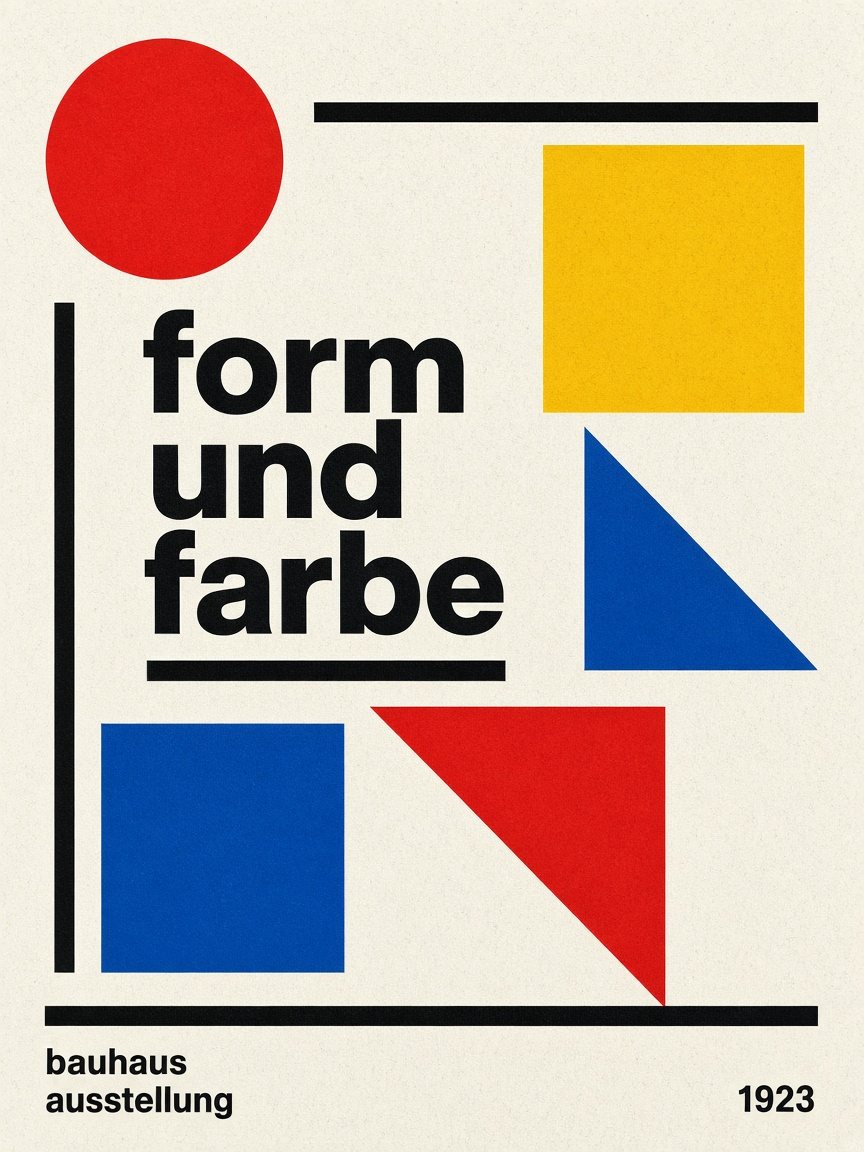
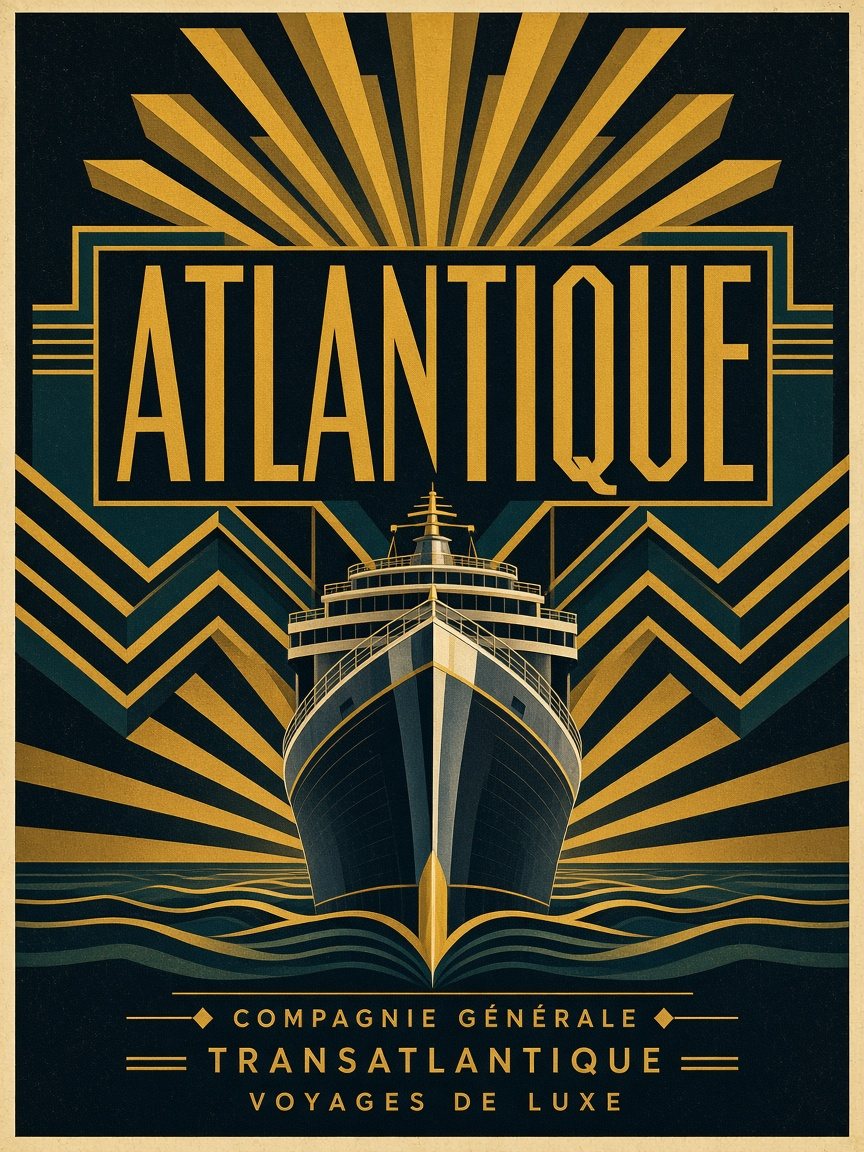
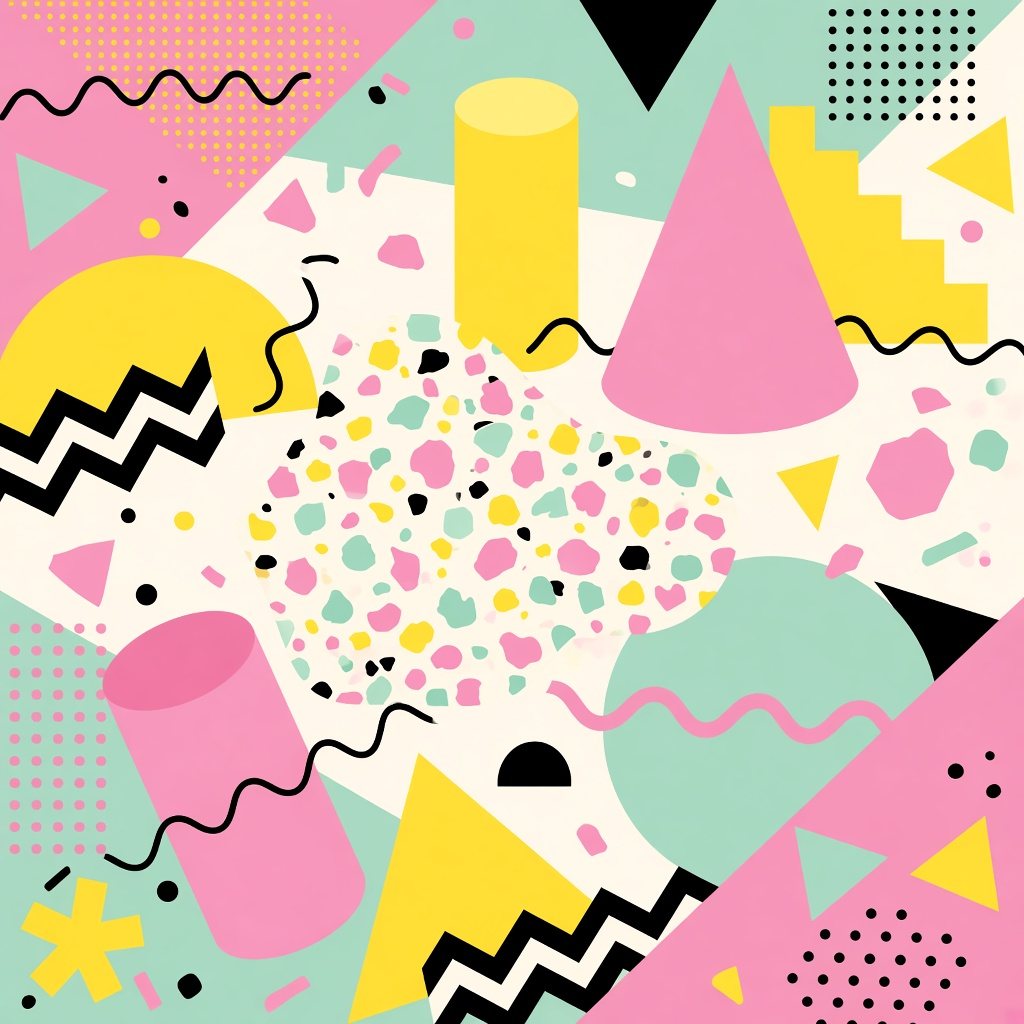
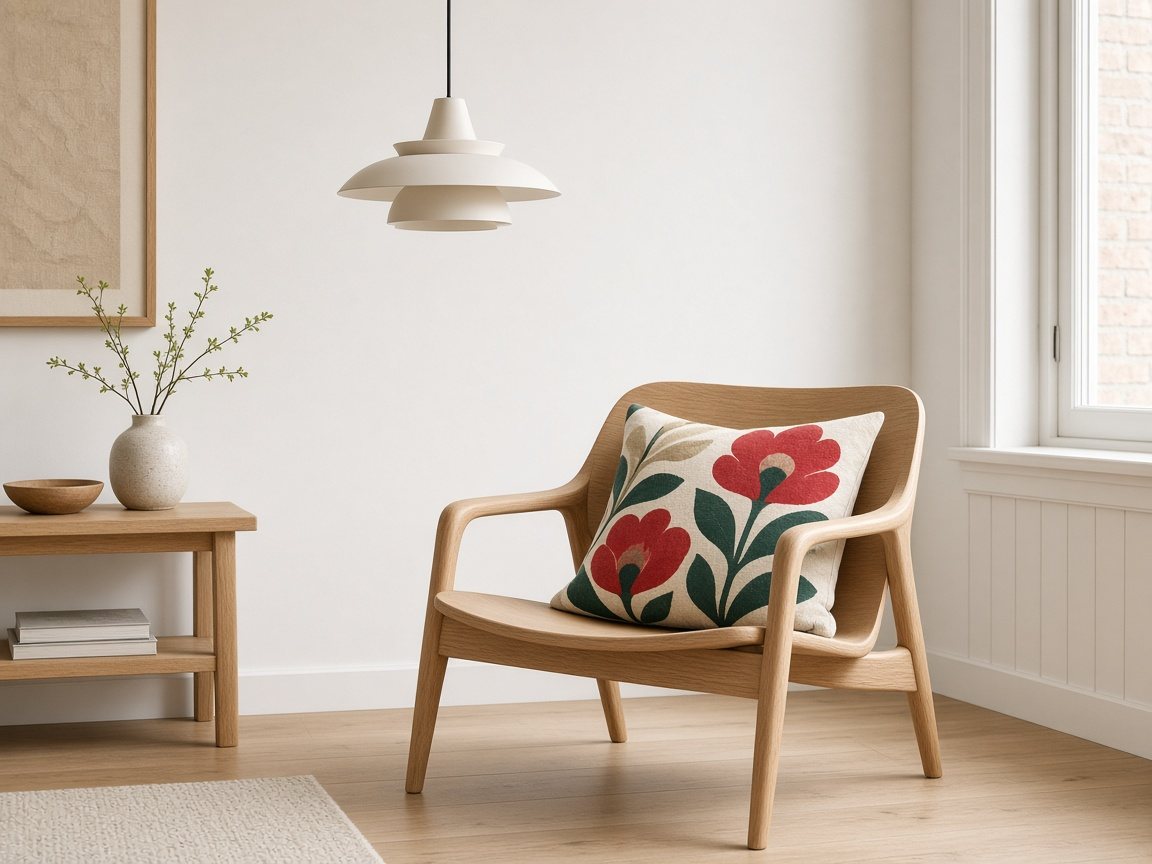
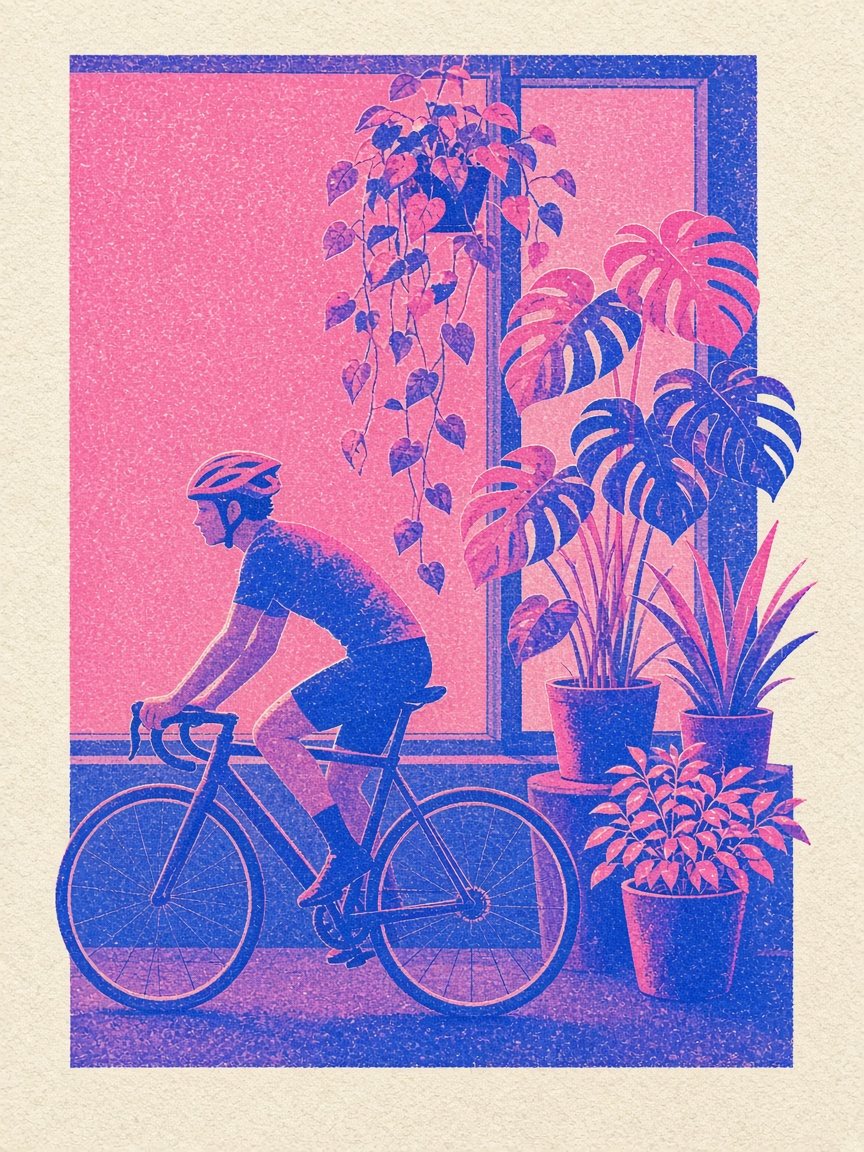
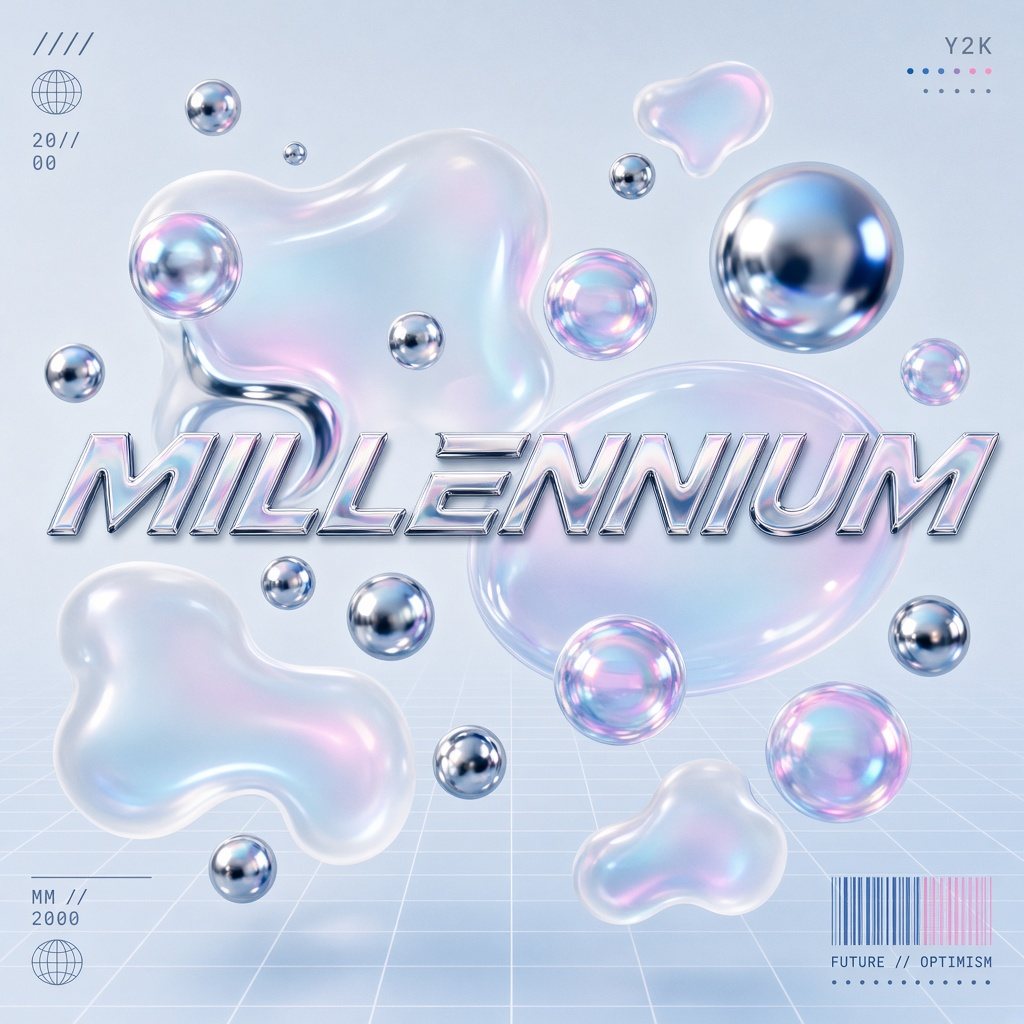
Through time 8 eras
Timeline →- …–1879Craft, print and the woodblock5 styles
- 1880–1918Ornament and reform15 styles
- 1918–1945The avant-garde and the machine age21 styles
- 1945–1975Modernism goes global32 styles
- 1975–1995Postmodernism and the desktop31 styles
- 1995–2010Early web and Y2K32 styles
- 2010–2019Flat, mobile and social46 styles
- 2020–nowPost-flat, glass and generative51 styles
Collections Curated
All collections →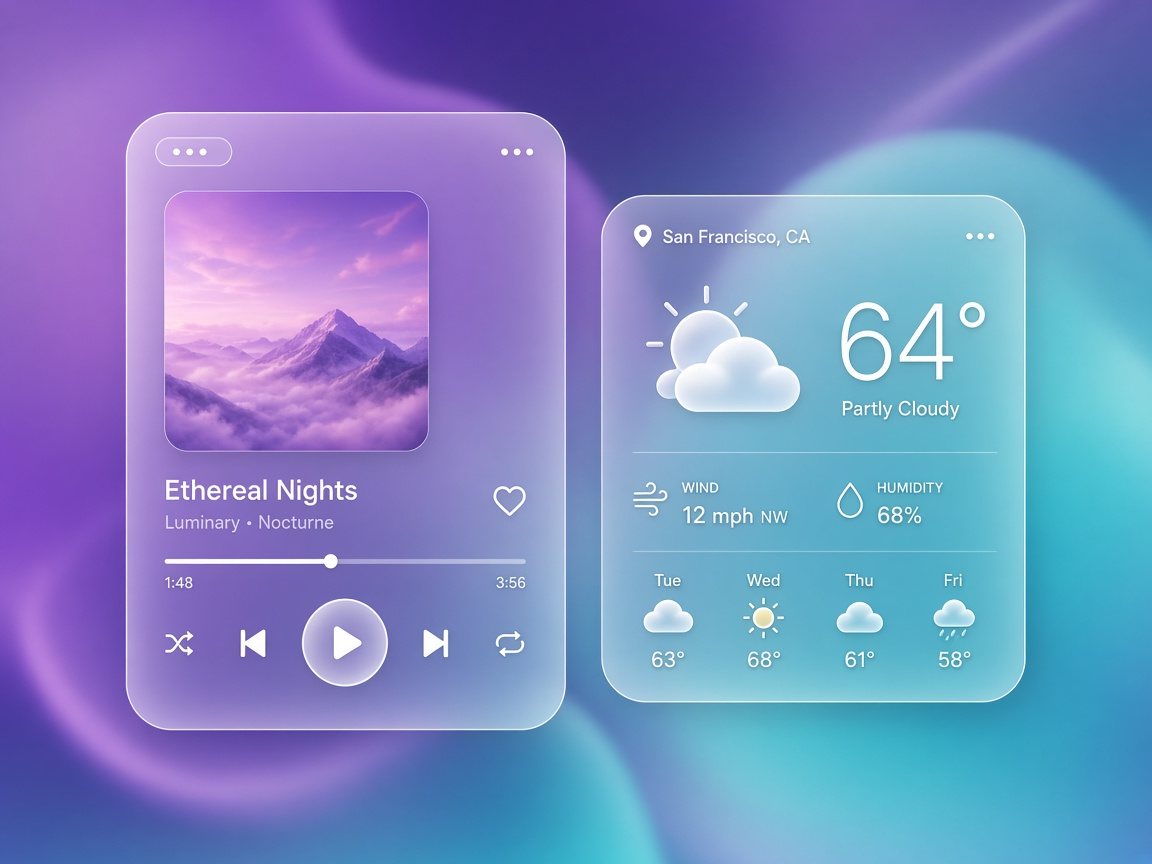
Interfaces that pretend
Glass, plastic, chrome and paper: the materials screens imitate, and why they keep coming back.
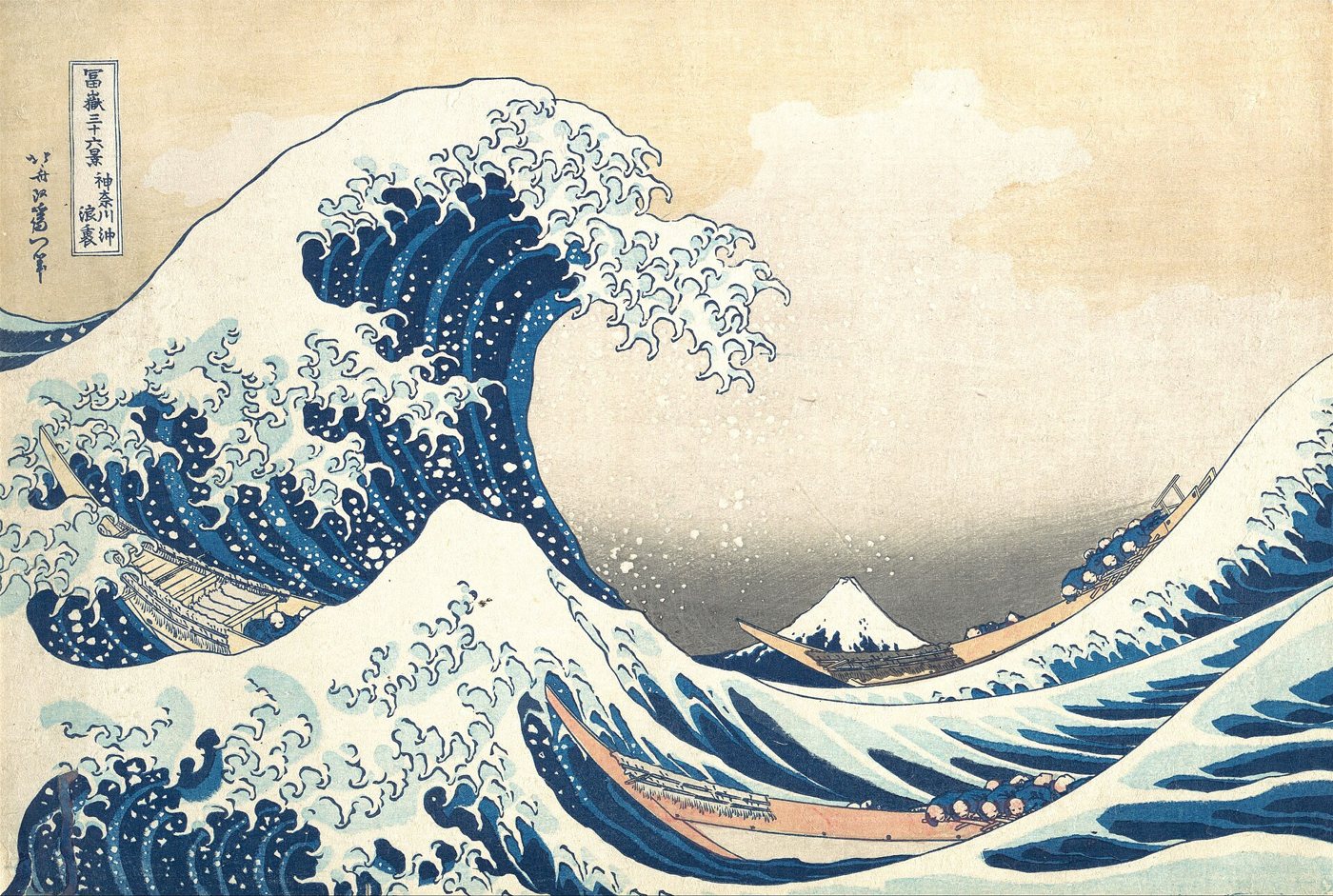
Japan and the European poster
How flat colour, bold outlines and dramatic cropping from Edo woodblocks rewired Western graphic design.
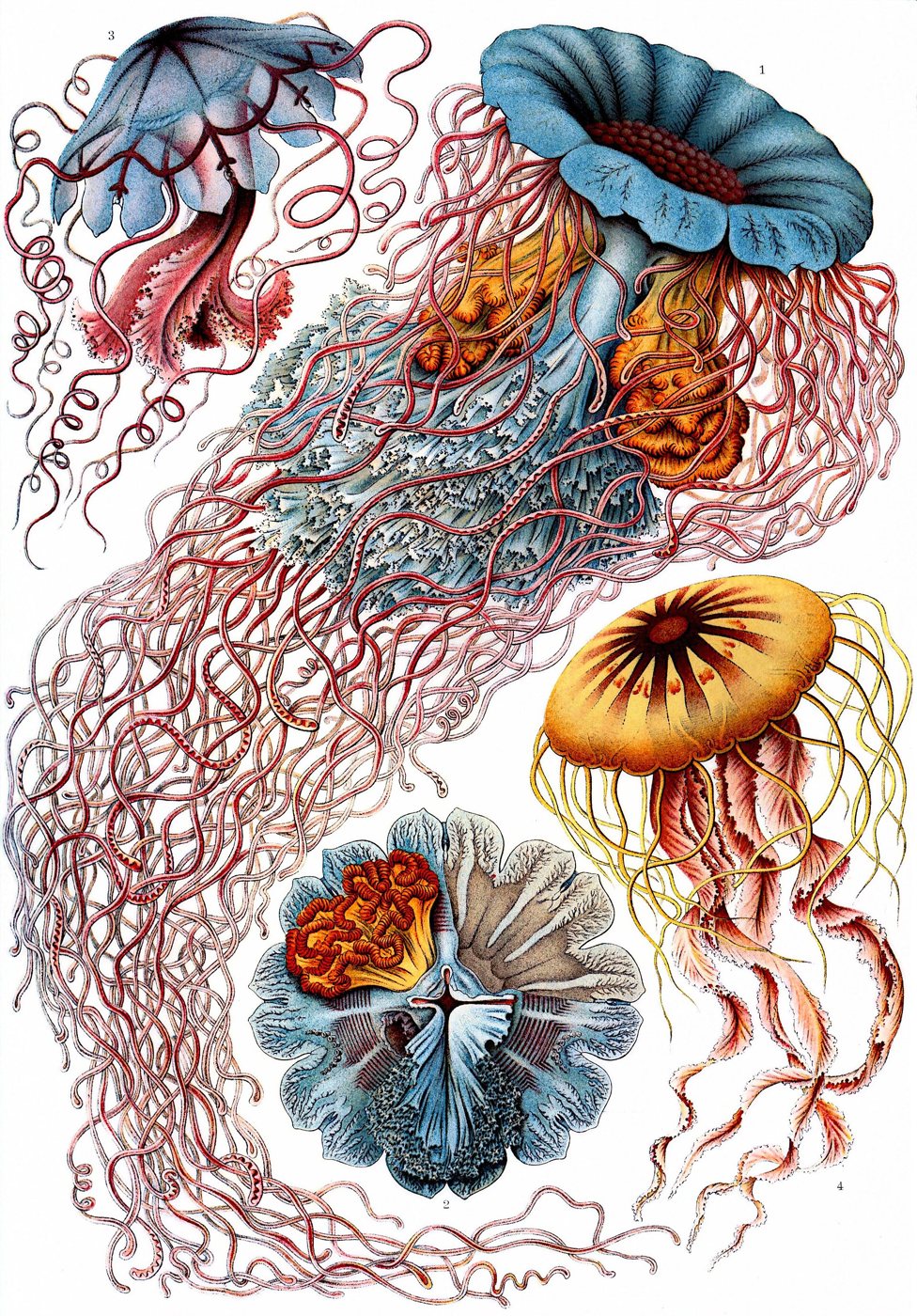
Nature as pattern
Specimen plates, woodblocks and wallpaper: how close observation of plants and animals became ornament.
Vocabulary 71 terms
- negative space
- The empty space around and between elements; also called white space.
- modular grid
- A grid split into columns and rows, so content snaps to repeating modules.
- halftone
- Dots of varying size that simulate tones in print.
- Ben-Day dots
- Evenly spaced coloured dots from comic printing, made iconic by Pop Art.
- misregistration
- Colour layers printing slightly out of alignment.
- backdrop blur
- Blurring what is behind a translucent layer, as in glassmorphism.
- Gesamtkunstwerk
- 'Total work of art': every element designed as one whole.
- kerning
- Adjusting space between specific letter pairs.
Places & schools 36 countries
Start with Denmark for Danish Modern, Switzerland for the grid, or Japan for woodblocks, Ma and kawaii. Browse 246 designers and studios in the directory.