Postmodern & late 20th century1970–1990Switzerland, United States
New Wave Typography
Also known as Swiss Punk
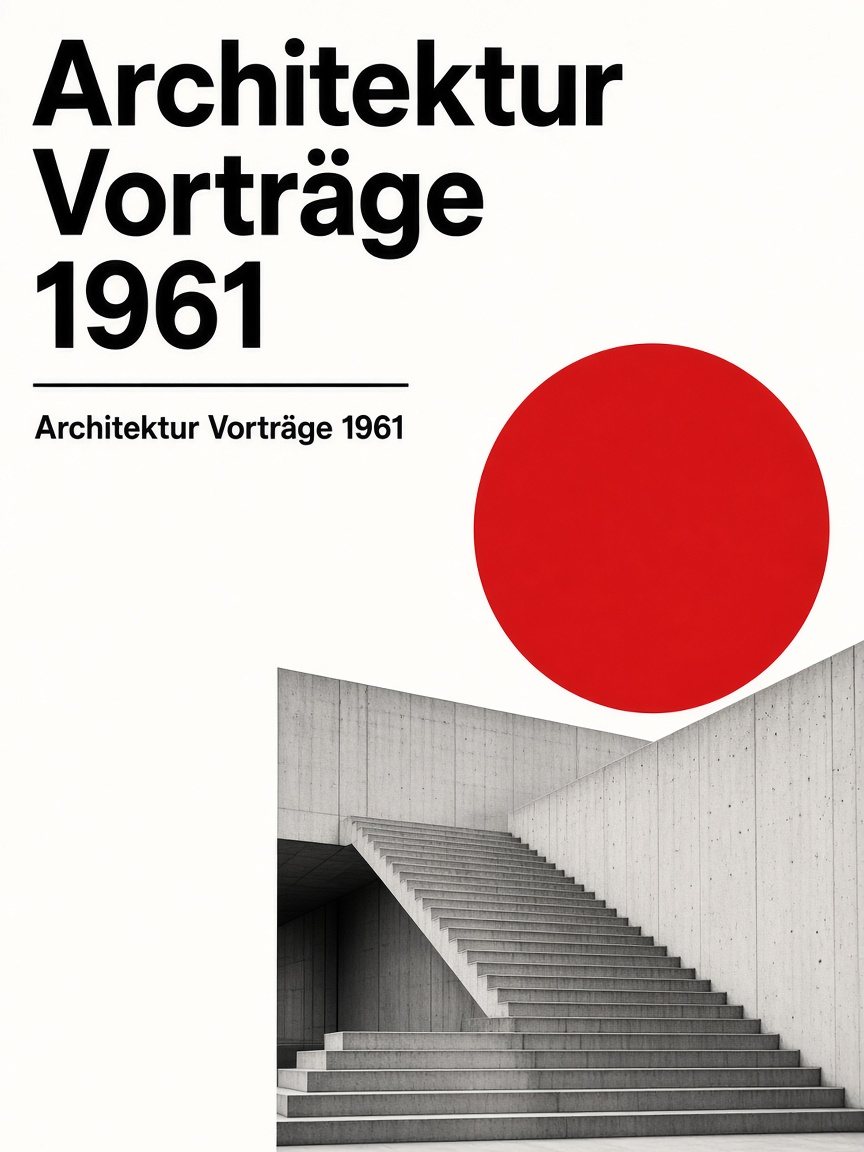
Swiss Style turned inside out. Weingart in Basel and Greiman in California layered, letterspaced and fragmented type, leading into early digital design.
Draft entry
History
Swiss Style turned inside out. Weingart in Basel and Greiman in California layered, letterspaced and fragmented type, leading into early digital design.
A longer history of this style is being written. Until then, the context below shows where it sits.
- Period
- 1970–1990 · Modernism goes global, Postmodernism and the desktop
- Where
- Switzerland, United States
- Grew from
- Swiss
- Led to / sits beside
- Memphis, Grunge & Deconstructivist Type
How to recognise it 5 traits
- 01layered and overlapping type
- 02wide letterspacing
- 03stepped and angled baselines
- 04halftone textures
- 05collage of grid fragments
Vocabulary
Palette Click a swatch to copy
An indicative palette for study, not a historical colour standard.
Typefaces
- UniversFonts In Use ↗
- Akzidenz-GroteskFonts In Use ↗
Typefaces shown by name only. Specimens are set in this site's fonts, so check licensing with the foundry before use.
Images & sources 0 images · 5 links
We only show images that are public domain, openly licensed or clearly labelled AI-generated examples. For this style, explore the works at their source.
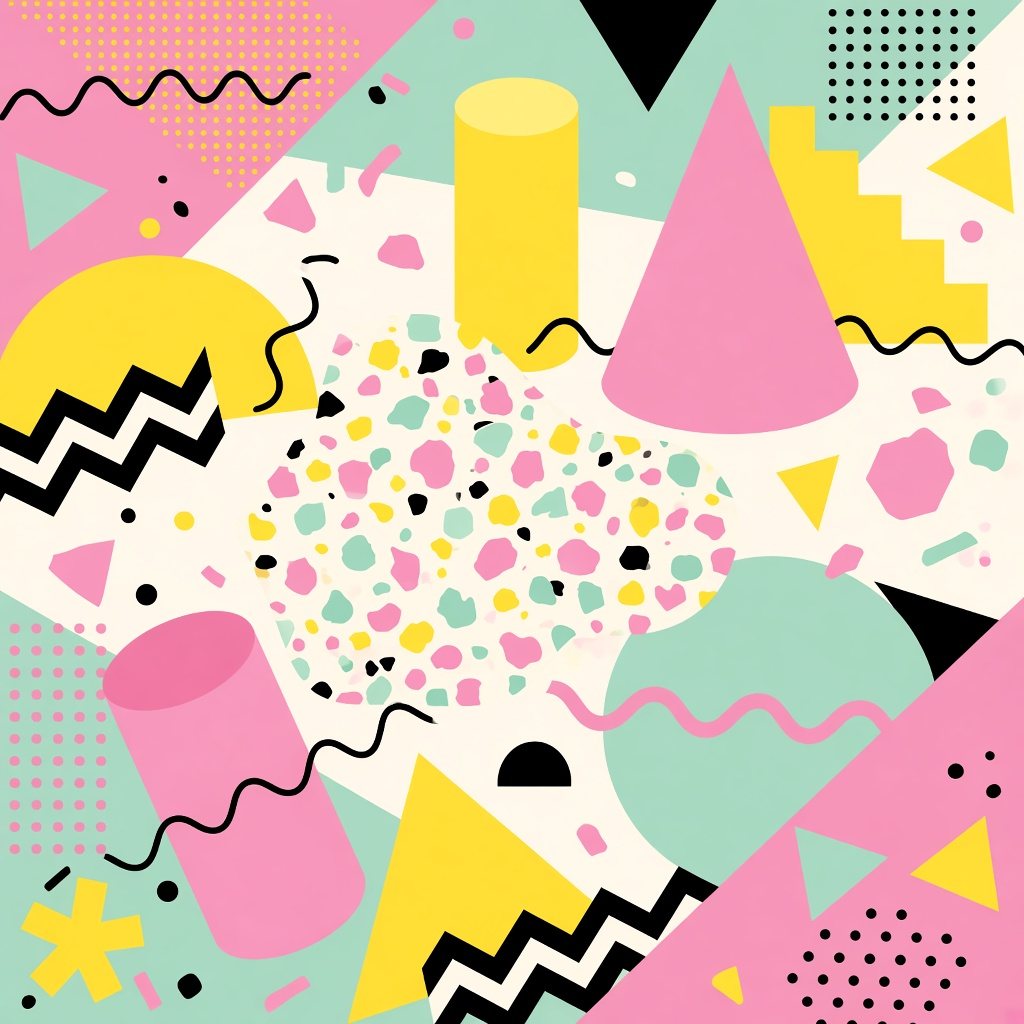
Slot reserved for a labelled AI-generated example made with the prompt below.
Key designers 4
- Wolfgang Weingart1941–2021 · Germany, Switzerland · New Wave typography at Basel
- April Greimanb. 1948 · United States · Design Quarterly 133; early digital design
- Dan Friedman1945–1995 · United States · radical modernism
- Willi Kunzb. 1943 · Switzerland, United States · Typography: Macro- and Microaesthetics
Prompts Image · UI · Typography · Search
For image models. Edit the subject, then copy.
An album cover for an electronic music EP, 1980s New Wave typography poster, layered and overlapping sans-serif type with wide letterspacing, stepped baselines, coarse halftone dots, pastel pink and blue over black grid fragments. Colour palette #111111, #FF4F79, #6EC6FF, #F6F1E7. Avoid: classical centred layout, ornament.
For UI and website generators.
Design a launch page for an electronic music EP with a New Wave Typography-inspired visual language: layered and overlapping type; wide letterspacing; stepped and angled baselines; halftone textures; collage of grid fragments. Type: Univers, Akzidenz-Grotesk. Palette: #111111, #FF4F79, #6EC6FF, #F6F1E7. Keep it usable: clear hierarchy, accessible contrast (WCAG AA), real content. Avoid: classical centred layout, ornament.
For lettering and type experiments.
Set the headline 'Form follows feeling' in the spirit of New Wave Typography: layered and overlapping type, wide letterspacing, stepped and angled baselines. Suggested type: Univers, Akzidenz-Grotesk.
Queries for museums, archives and inspiration sites.
- New Wave Typography posterAre.na ↗Cooper Hewitt ↗
- New Wave Typography graphic designAre.na ↗Cooper Hewitt ↗
- New Wave Typography typographyAre.na ↗Cooper Hewitt ↗
- Swiss Punk designAre.na ↗Cooper Hewitt ↗
- layering designAre.na ↗Cooper Hewitt ↗
- Swiss Punk designAre.na ↗Cooper Hewitt ↗
Describe the visual traits. Don't name living artists or designers, and don't ask to copy a specific work. Avoid: classical centred layout, ornament.