Illustration styles1450–presentGermany, Belgium, Netherlands, Mexico
Woodcut & Linocut
Relief printing carved into wood or linoleum: bold black and white, gouged texture and expressive line. It runs from Dürer through Expressionism to contemporary packaging and gig posters.
Draft entry
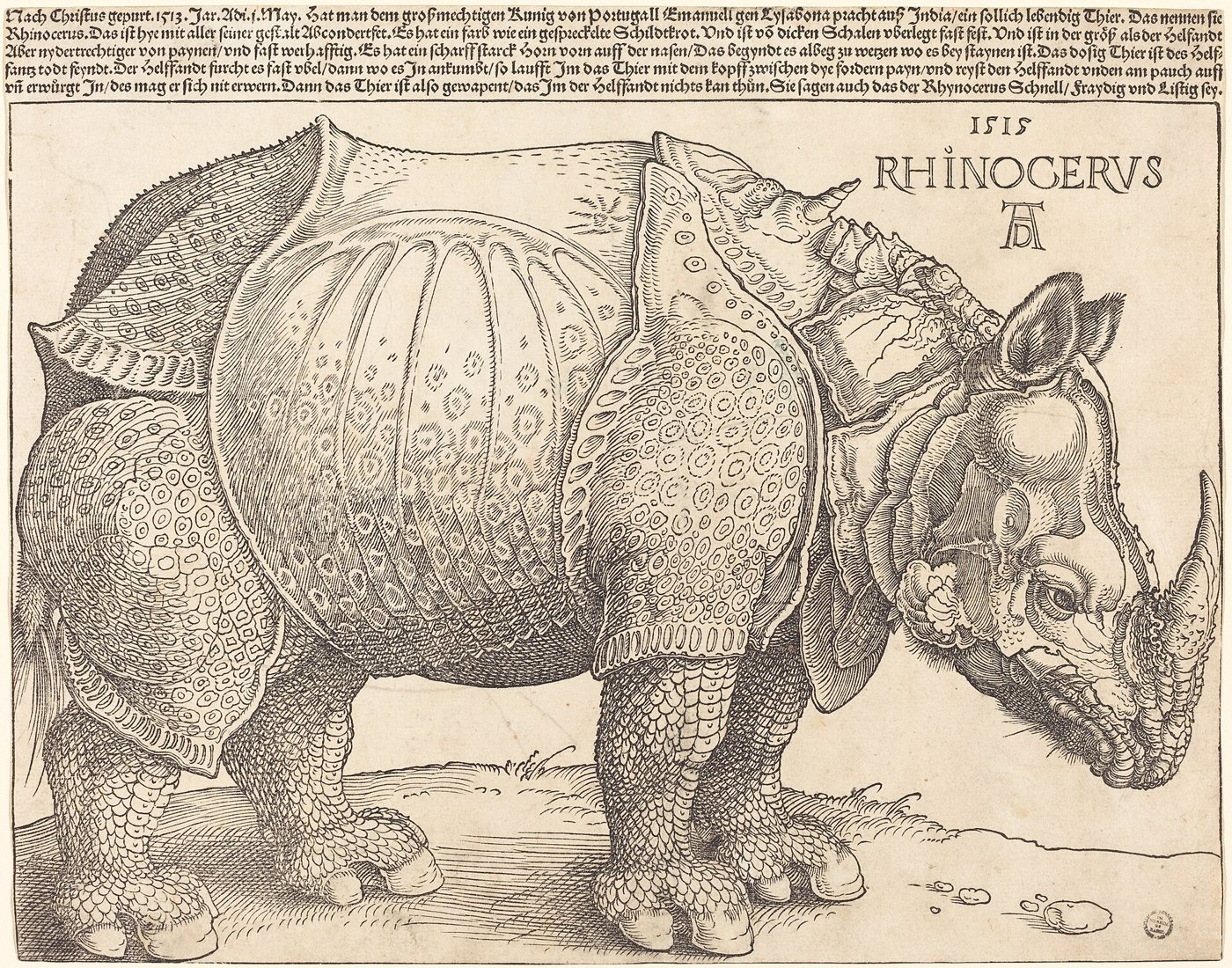 CC0
History
Relief printing carved into wood or linoleum: bold black and white, gouged texture and expressive line. It runs from Dürer through Expressionism to contemporary packaging and gig posters.
A longer history of this style is being written. Until then, the context below shows where it sits.
- Period
- 1450–present · Craft, print and the woodblock, Ornament and reform, The avant-garde and the machine age, Modernism goes global, Postmodernism and the desktop, Early web and Y2K, Flat, mobile and social, Post-flat, glass and generative
- Where
- Germany, Belgium, Netherlands, Mexico
- Led to / sits beside
- Ukiyo-e, Botanical & Scientific Illustration, Arts and Crafts, Punk & Zine, Risograph Print
How to recognise it 5 traits
- 01carved gouge marks
- 02bold black and white
- 03expressive line
- 04hatched texture
- 05limited spot colour
Vocabulary
Palette Click a swatch to copy
An indicative palette for study, not a historical colour standard.
Typefaces
No single typeface defines this style. Look at the lettering in source works instead.
Typefaces shown by name only. Specimens are set in this site's fonts, so check licensing with the foundry before use.
Images & sources 2 images · 4 links
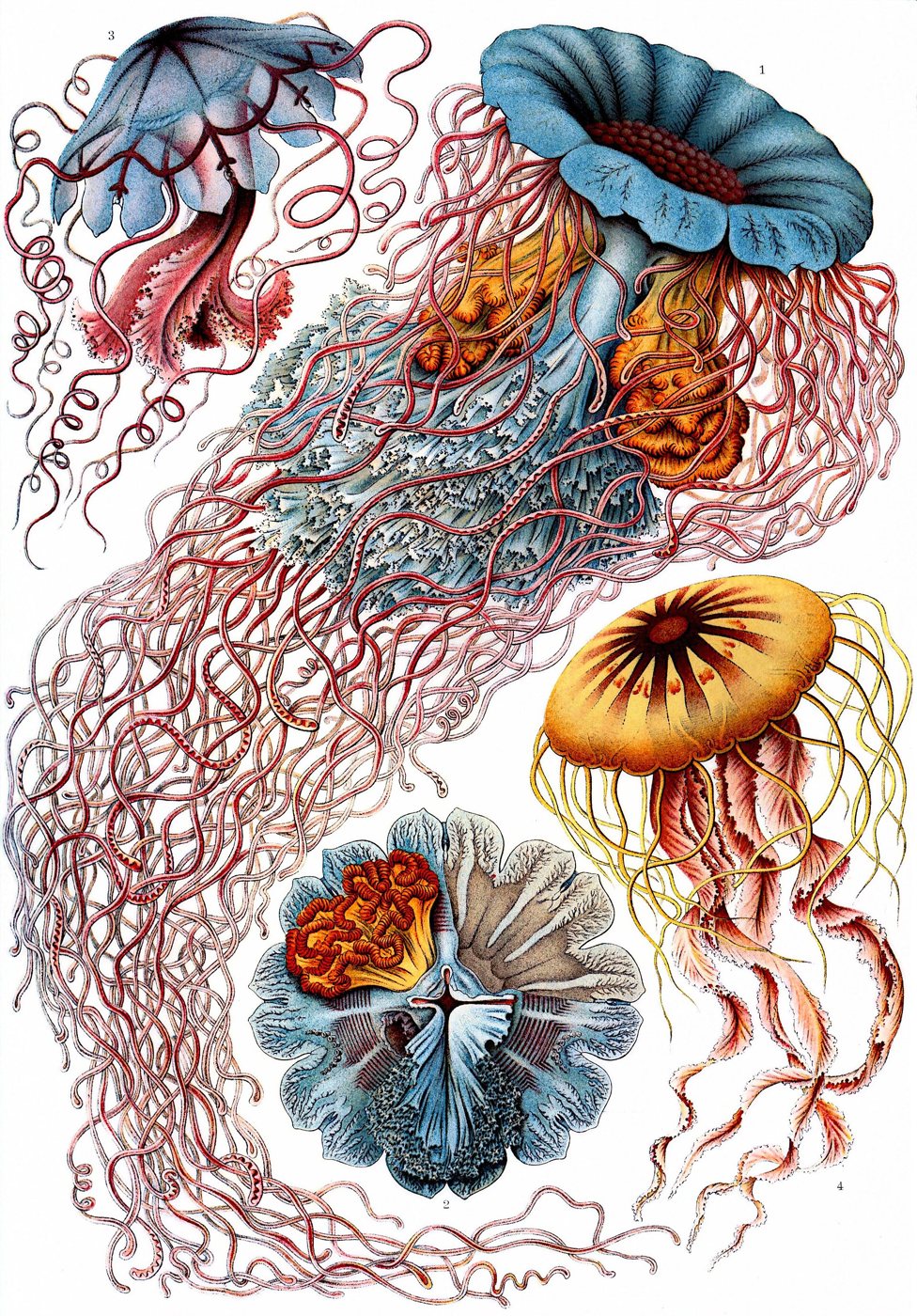
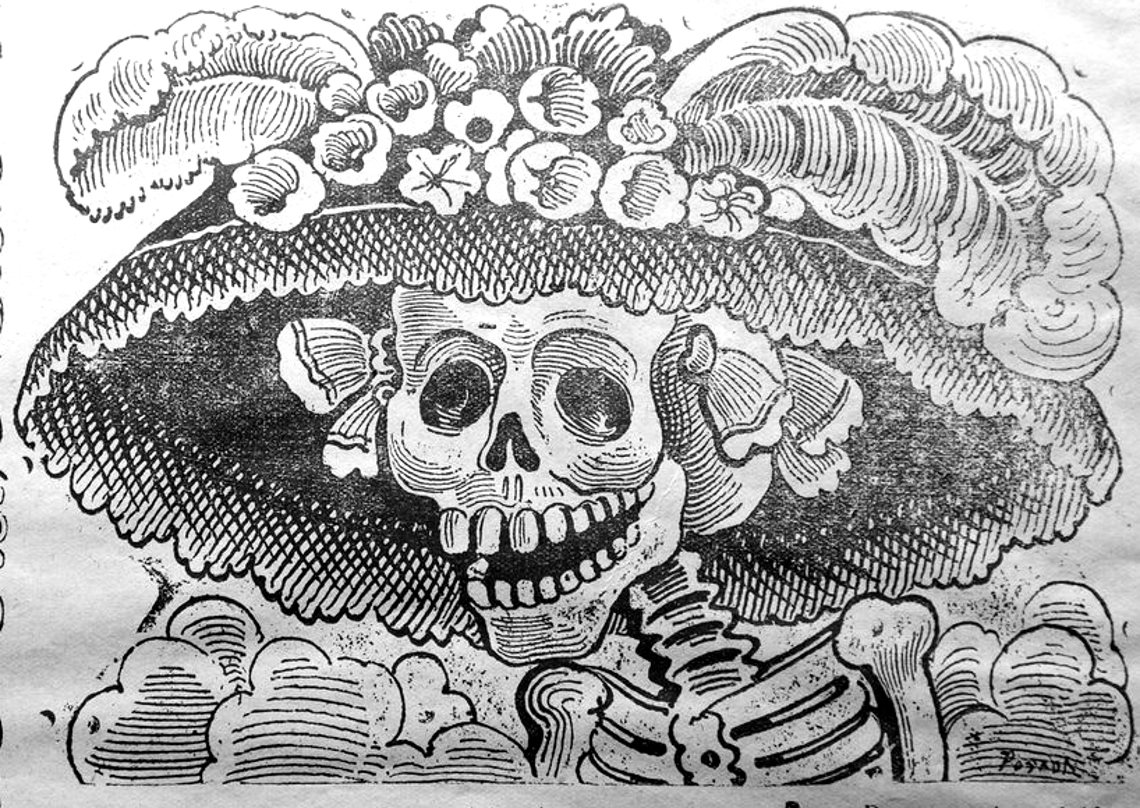 Public domain
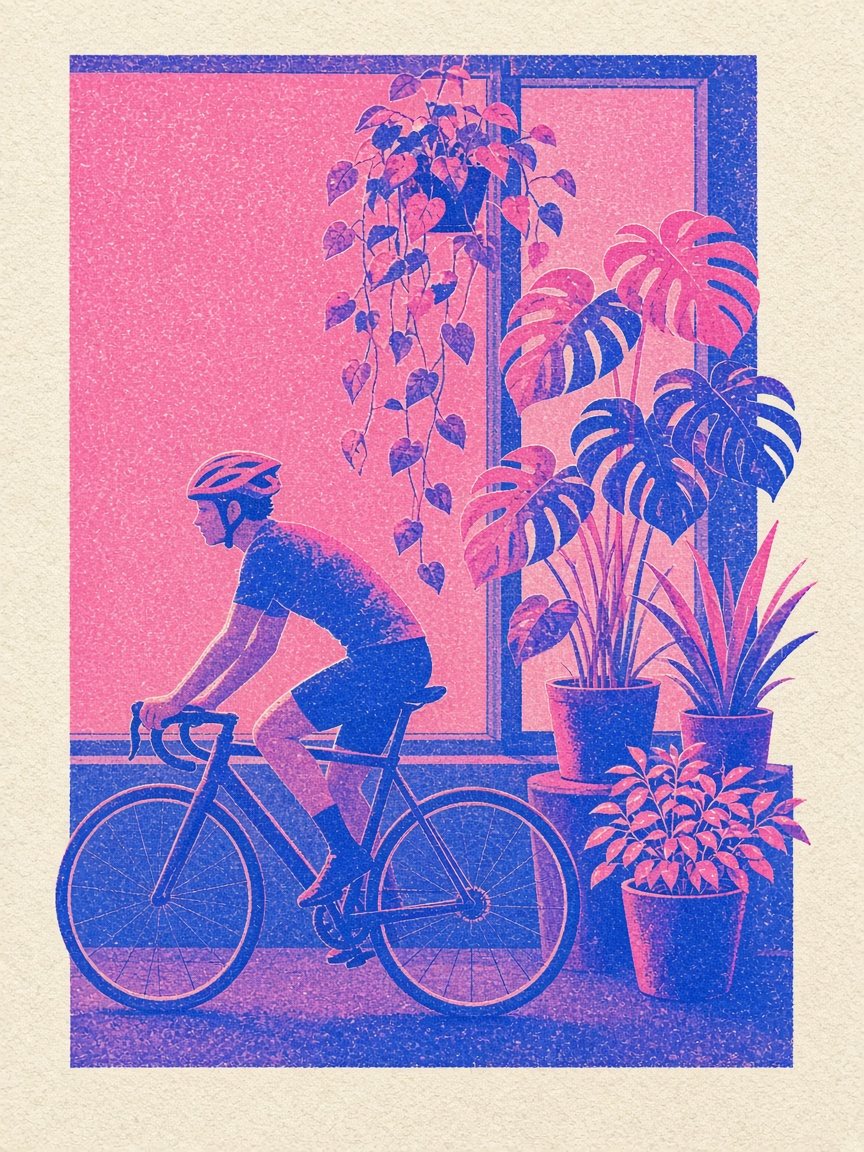
Slot reserved for a labelled AI-generated example made with the prompt below.
Key designers 5
- Albrecht Dürer1471–1528 · Germany · Melencolia I; Rhinoceros woodcut
- Ernst Ludwig Kirchner1880–1938 · Germany · Die Brücke woodcuts
- Frans Masereel1889–1972 · Belgium · wordless woodcut novels
- M.C. Escher1898–1972 · Netherlands · tessellations and impossible structures
- José Guadalupe Posada1852–1913 · Mexico · La Calavera Catrina
Prompts Image · UI · Typography · Search
For image models. Edit the subject, then copy.
An editorial illustration about remote work, linocut print, bold carved black lines with visible gouge marks, expressive hatching, one red spot colour, textured cream paper. Colour palette #111111, #F1EBDD, #B23A2A. Avoid: smooth gradients, vector precision.
For UI and website generators.
Design an onboarding screen for a remote-work tool with a Woodcut & Linocut-inspired visual language: carved gouge marks; bold black and white; expressive line; hatched texture; limited spot colour. Type: a typeface that suits the era. Palette: #111111, #F1EBDD, #B23A2A. Keep it usable: clear hierarchy, accessible contrast (WCAG AA), real content. Avoid: smooth gradients, vector precision.
For lettering and type experiments.
Set the headline 'Form follows feeling' in the spirit of Woodcut & Linocut: carved gouge marks, bold black and white, expressive line. Suggested type: a typeface that suits the era.
Queries for museums, archives and inspiration sites.
- Woodcut posterAre.na ↗Cooper Hewitt ↗
- Woodcut graphic designAre.na ↗Cooper Hewitt ↗
- Woodcut typographyAre.na ↗Cooper Hewitt ↗
- relief print designAre.na ↗Cooper Hewitt ↗
- gouge designAre.na ↗Cooper Hewitt ↗
Describe the visual traits. Don't name living artists or designers, and don't ask to copy a specific work. Avoid: smooth gradients, vector precision.
Related styles 5
All styles →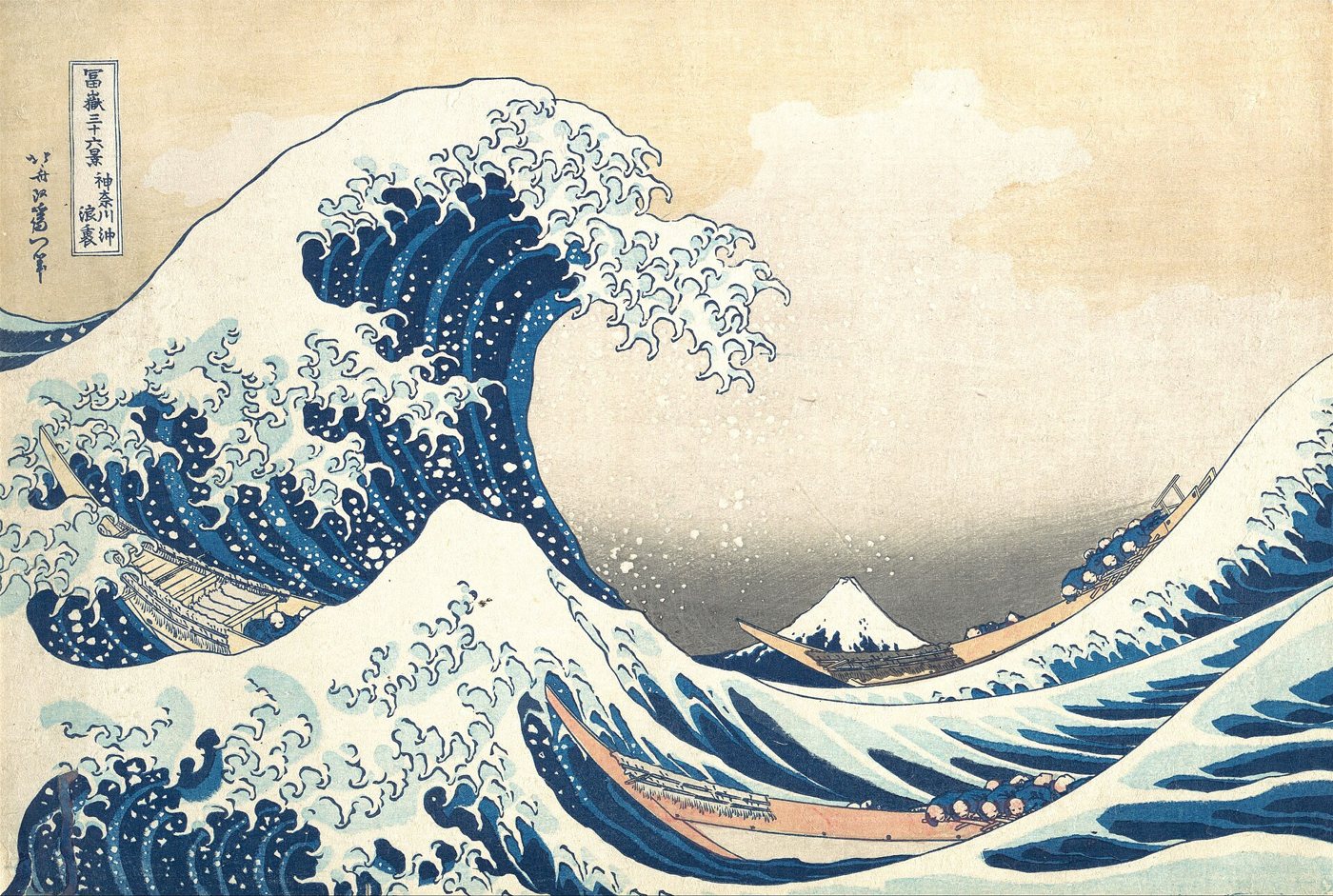 Public domain
Ukiyo-e
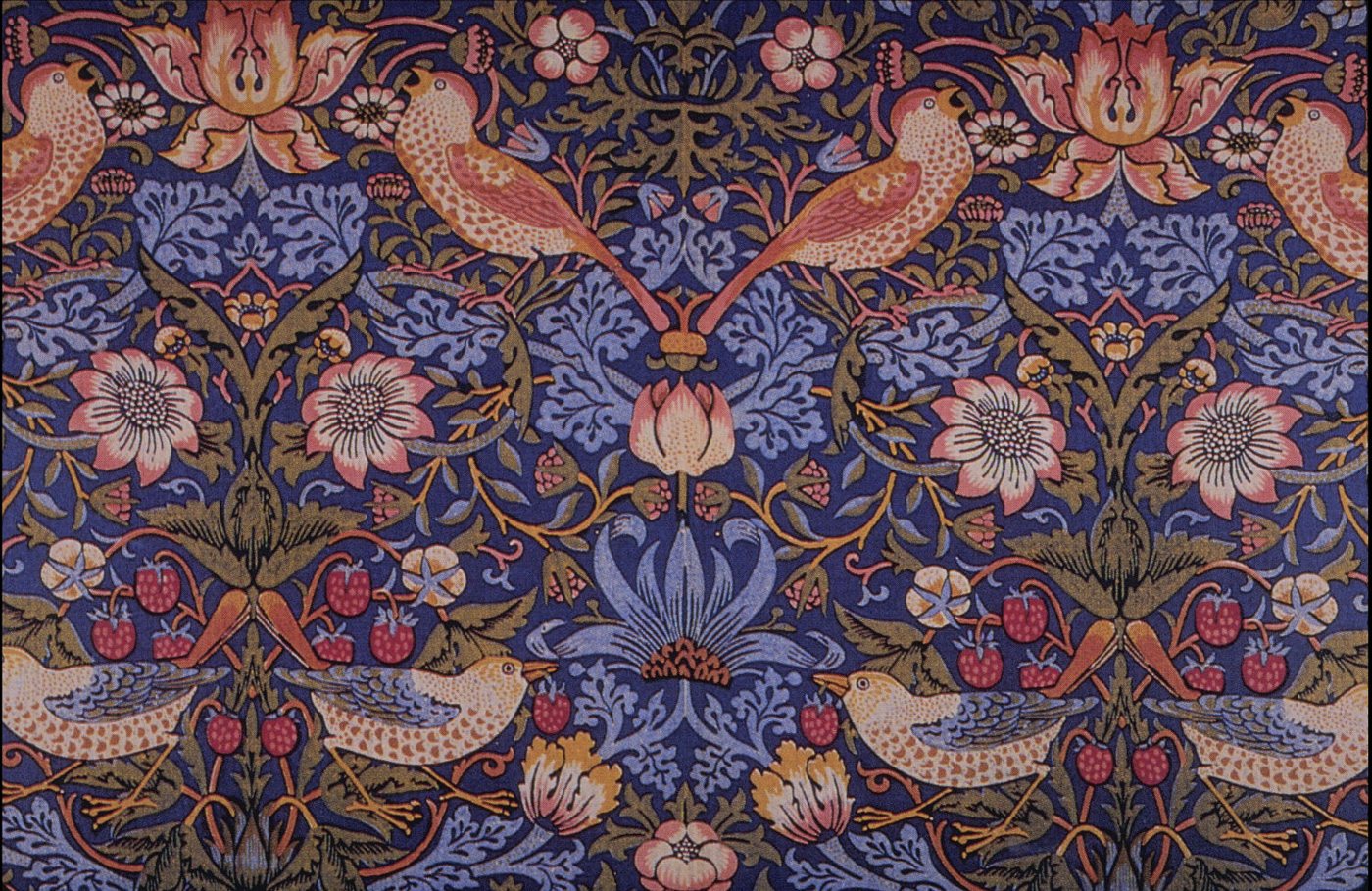 Public domain
Arts and Crafts
 AI example
Risograph Print
Punk & Zine
 Public domain